ContactBook nowBook
The epic, folklore and living legends of Carlingford and Cooley.
McKevitt’s Village Hotel · Carlingford

Where the landscape tells stories.

The epic, folklore and living legends of Carlingford and Cooley.

Story lives in the landscape

Epic, folklore and a little modern mischief.

Cooley’s stories come from very different places: medieval manuscripts, memories recorded from local people, place-name tradition and contemporary Carlingford storytelling. The labels matter — and make each story more interesting.

01
Medieval literary epic

The Cattle Raid of Cooley

Across the Cooley Peninsula
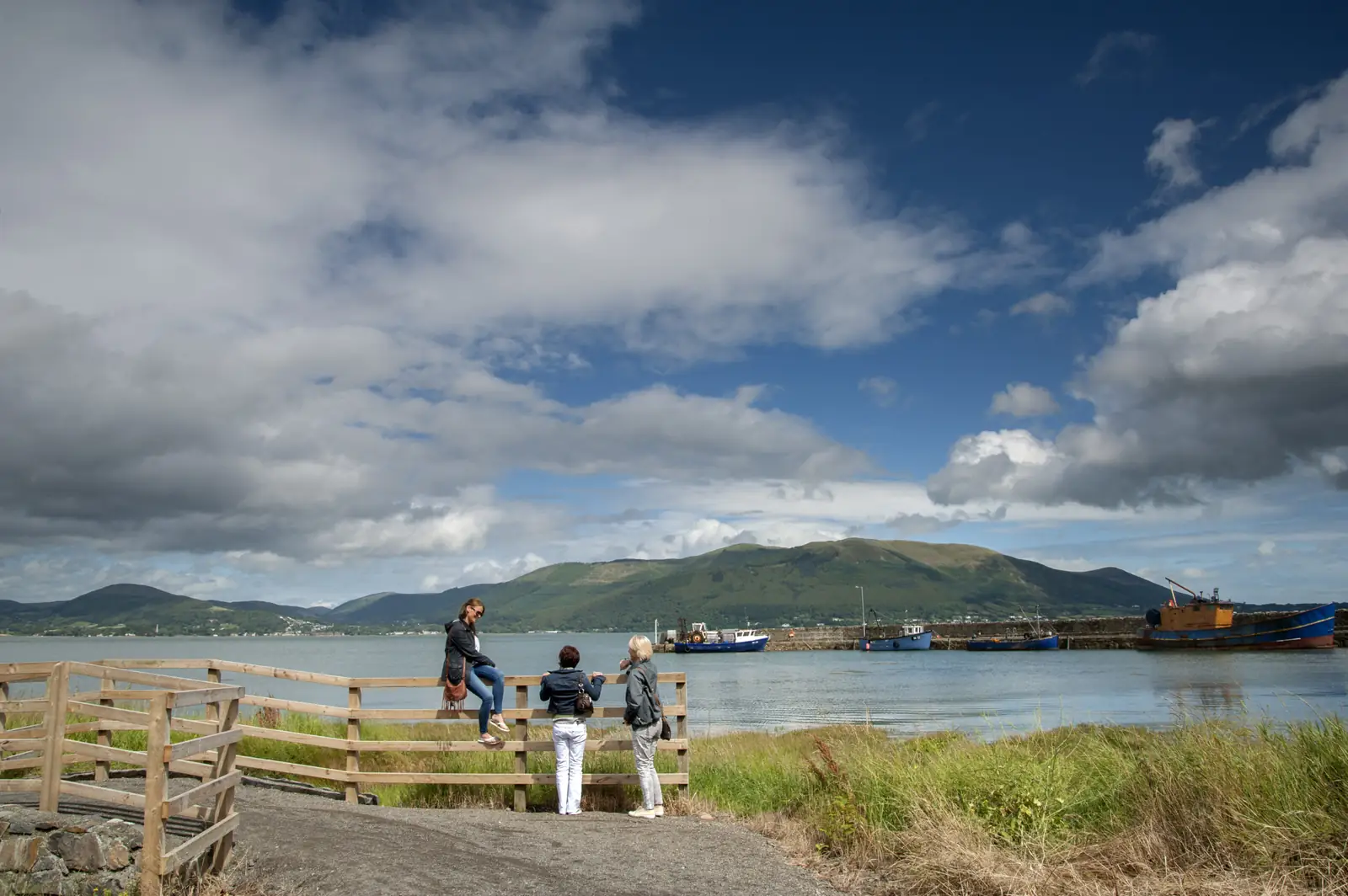
Carlingford Lough and the surrounding mountains
Photo: Robert Ashby · CC BY-SA 2.0

In Táin Bó Cúailnge, Queen Medb of Connacht marches to seize Donn Cuailnge, the great Brown Bull of Cooley. Ulster’s young champion Cú Chulainn resists her army in a sequence of single combats. The tale survives in medieval manuscripts and places this peninsula at the centre of Ireland’s great heroic epic; it is literature and myth, not a chronicle of documented events.

Read the scholarly text at UCC CELT
02
Place-name tradition

Maeve’s Gap

Barnavave above Carlingford

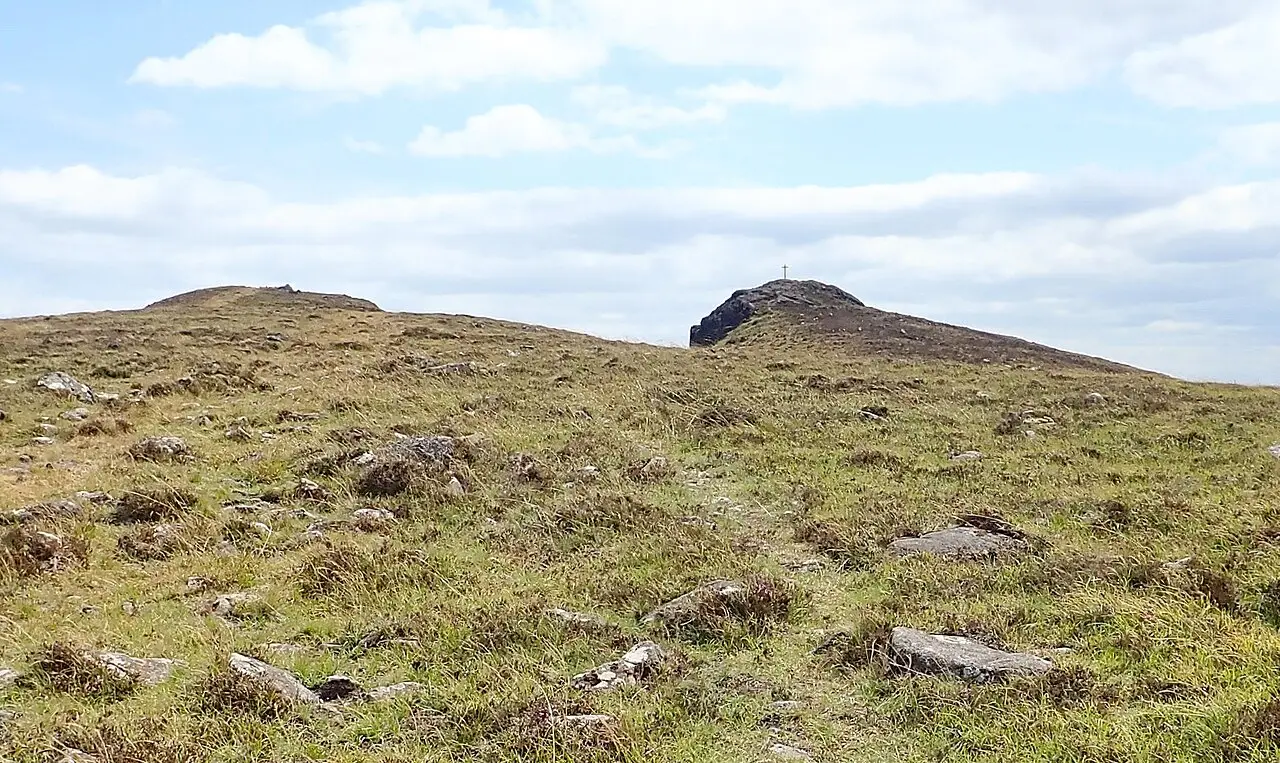
The twin summits and saddle of Barnavave
Photo: Eric Jones · CC BY-SA 2.0

The saddle of Barnavave is traditionally read as Bearna Mhéabha — Maeve’s Gap — and local storytelling connects it with the route of Medb’s army. The dramatic claim that her force cut the pass belongs to folklore around the epic rather than the surviving text itself.

Plan the Barnavave Loop
03
Recorded local folklore

Fionn, the sleeping giant

Slieve Foye and Carlingford Lough

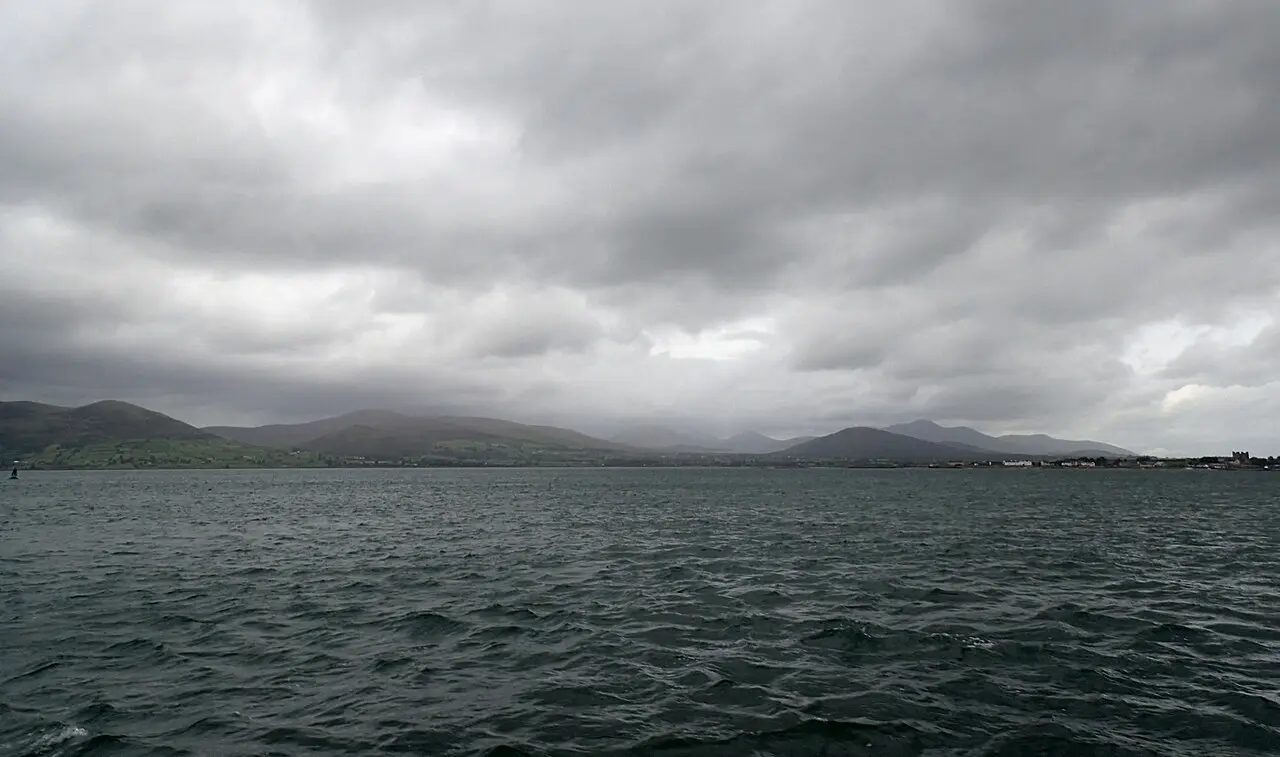
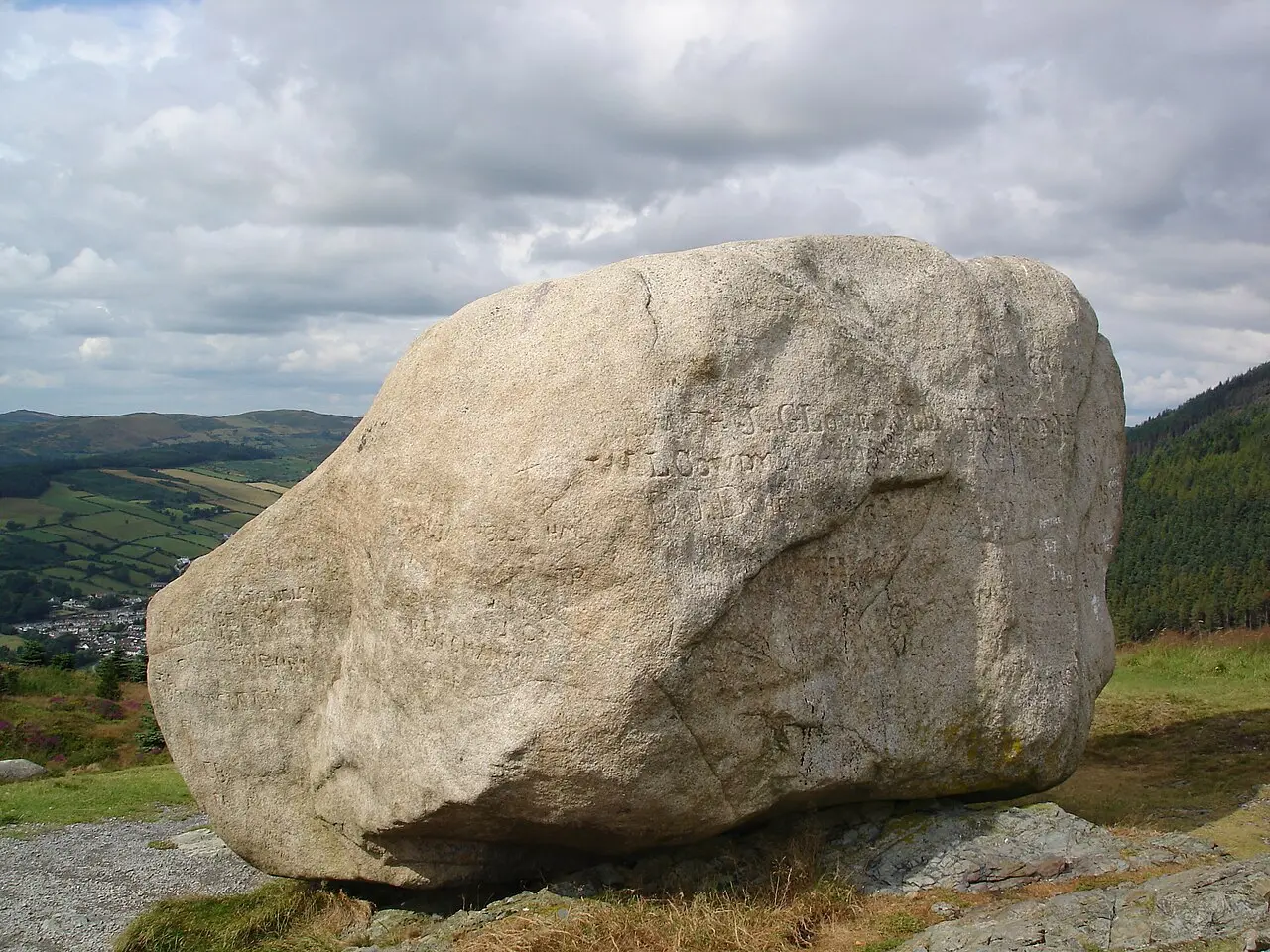
The Cloughmore Stone above Rostrevor
Photo: Oisin obrien at English Wikipedia · Public domain

Stories recorded from local informants in the 1930s describe Fionn mac Cumhaill battling the giant Ruiscaire across the lough. Fionn’s thrown boulder became the Cloughmore Stone above Rostrevor, while the profile of Slieve Foye is read as the giant at rest. These accounts survive in Ireland’s National Folklore Collection.

See the original folklore record
04
Modern Carlingford tradition

The last leprechauns

Slieve Foye and the Folklore Park

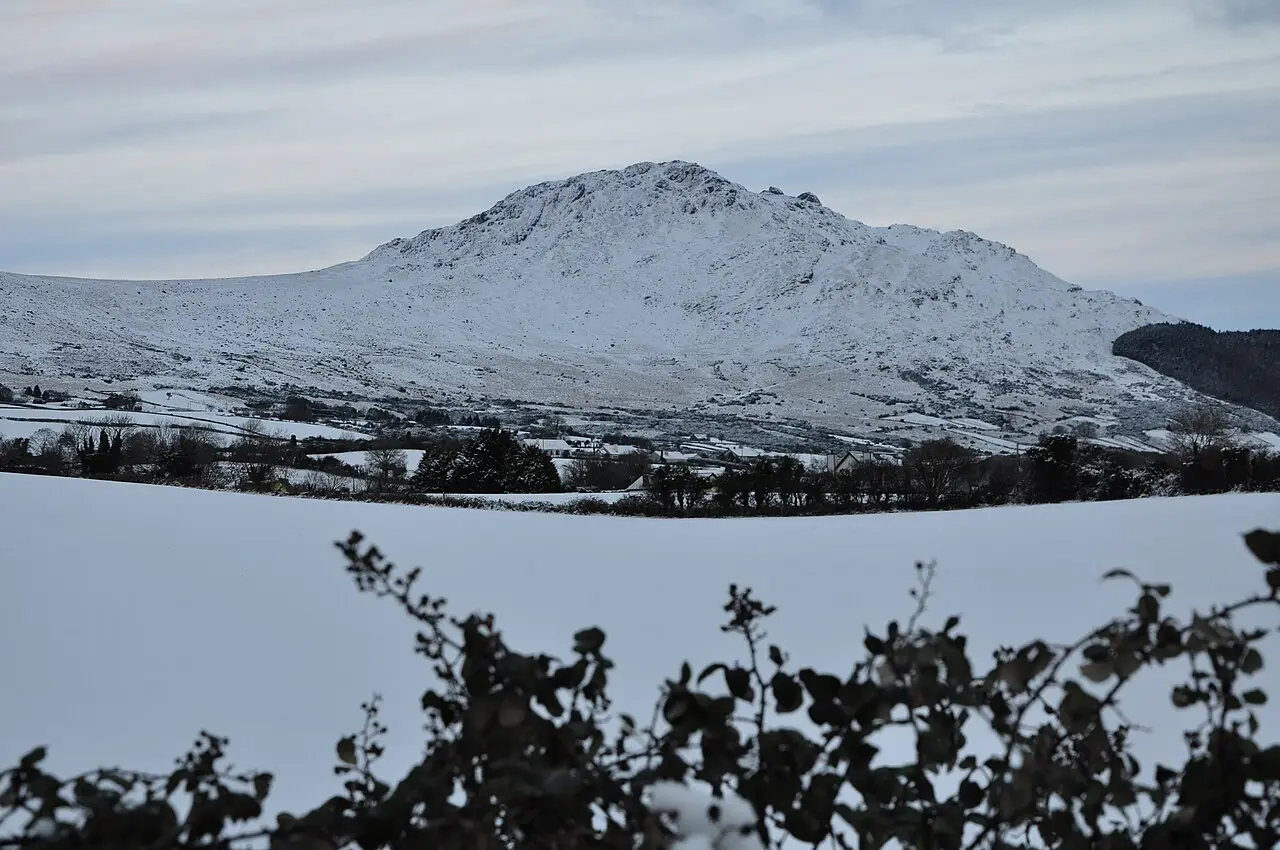
Slieve Foye above Carlingford in winter
Photo: OisinisiO · CC BY-SA 3.0

Carlingford’s leprechaun story began in 1989 and developed into an annual hunt and visitor attraction. The mountain’s real European protection concerns habitats and wildlife; references to “little people” are a playful local extension. It is a living modern legend, not an ancient Cooley tradition.

Visit the folklore attraction
Carry the story with you

Walk into the Táin landscape.

The two-day Táin Way circles Carlingford Mountain and reaches Clermont’s Bronze Age cairn. Its name connects today’s walking landscape with the medieval epic — but the route remains real mountain country requiring preparation.

Explore the walking trails