Before 1184
Lough, crossing and name
Carlingford Lough carries an Old Norse name, but no conclusive archaeological evidence of a Viking settlement has been found. The district belonged to the Gaelic kingdom of Airgialla.

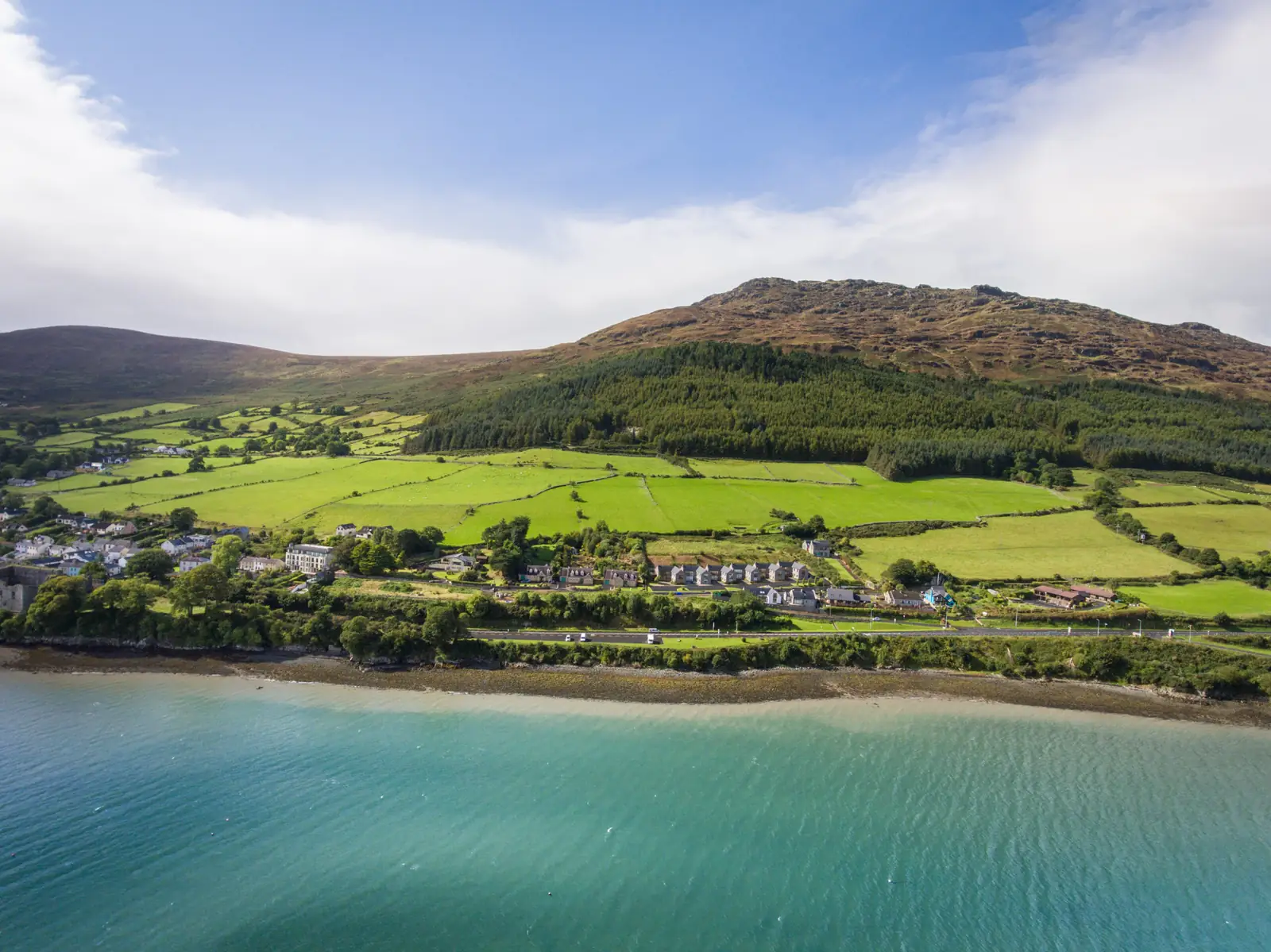
The full story of Carlingford, from frontier castle to living heritage village.
The lough made this a strategic crossing and harbour. An Anglo-Norman castle drew a planned town beneath it; merchants, friars and soldiers then left a rare concentration of medieval buildings. War brought decline, but that long quiet period also helped preserve the street plan visitors walk today.
Carlingford Lough carries an Old Norse name, but no conclusive archaeological evidence of a Viking settlement has been found. The district belonged to the Gaelic kingdom of Airgialla.
A documentary reference to ferry rights appears in 1184. Hugh de Lacy’s castle then secured harbour and land route; King John visited in 1210.
A town grew below the fortress. Wall taxes, markets, a Dominican friary and fortified merchant houses reveal a prosperous but exposed frontier port.
Fire, Confederate conflict, Cromwellian conquest and Williamite war damaged the town. Trade increasingly favoured Dundalk and Newry.
The railway connected Dundalk, Greenore, Carlingford and Newry, carrying visitors through the peninsula until the line closed in 1951.
Partition placed Carlingford near a new international frontier. Later conservation, tourism and outdoor recreation gave the preserved medieval town a new role.
Each landmark page separates established evidence from inherited tradition and links to the heritage body behind the account.
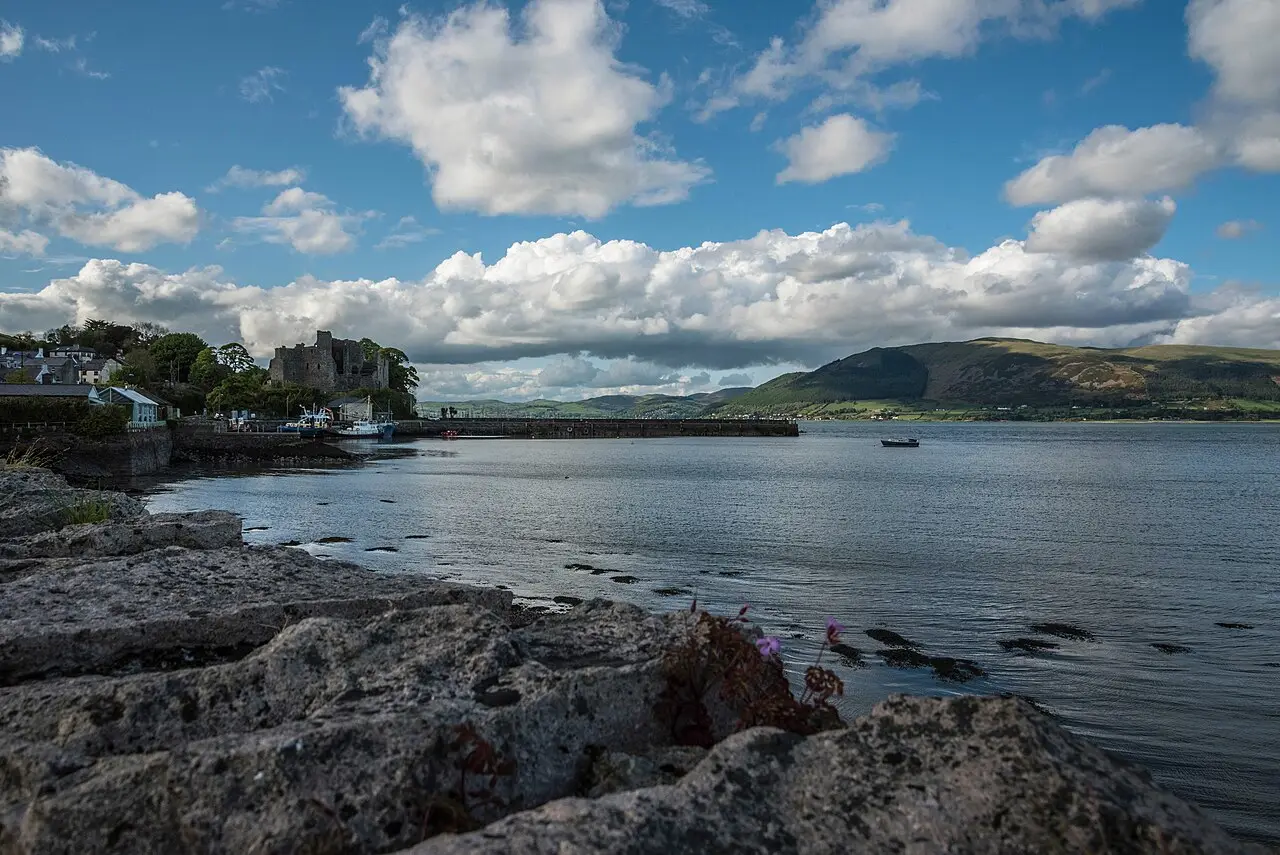
Often called King John’s Castle, this great rock-top stronghold shaped the town that grew beneath it.
Explore this landmark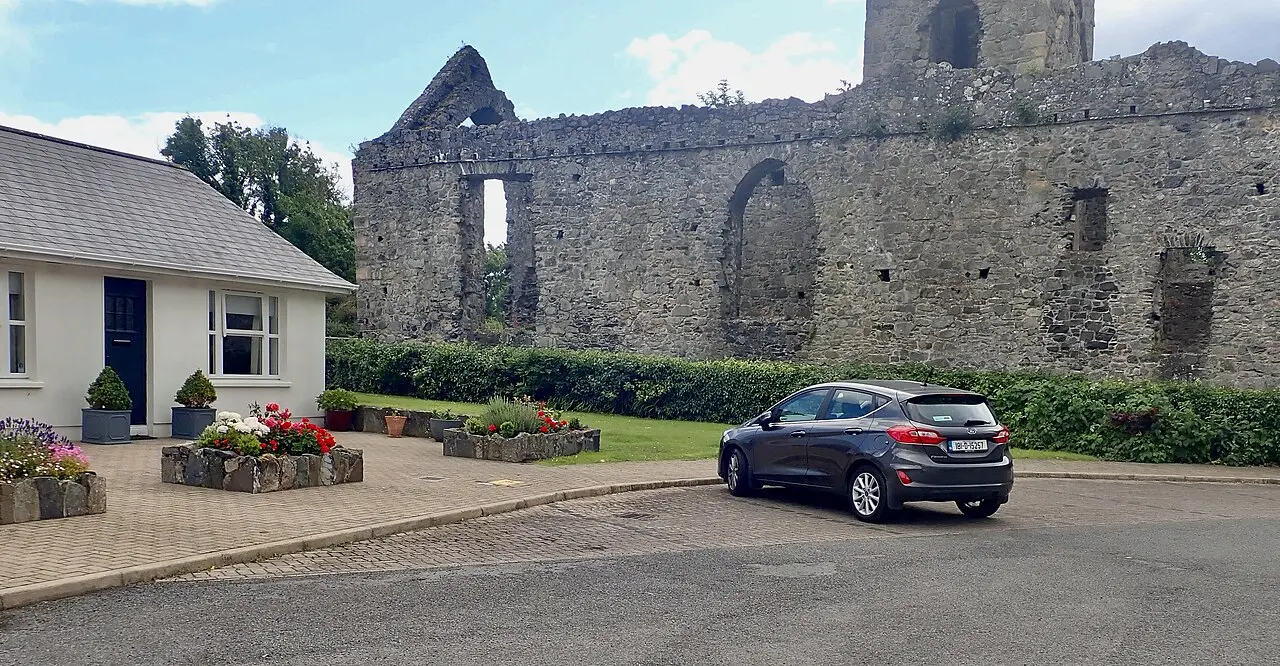
A roofless Gothic church preserves one of the village’s most atmospheric medieval spaces.
Explore this landmark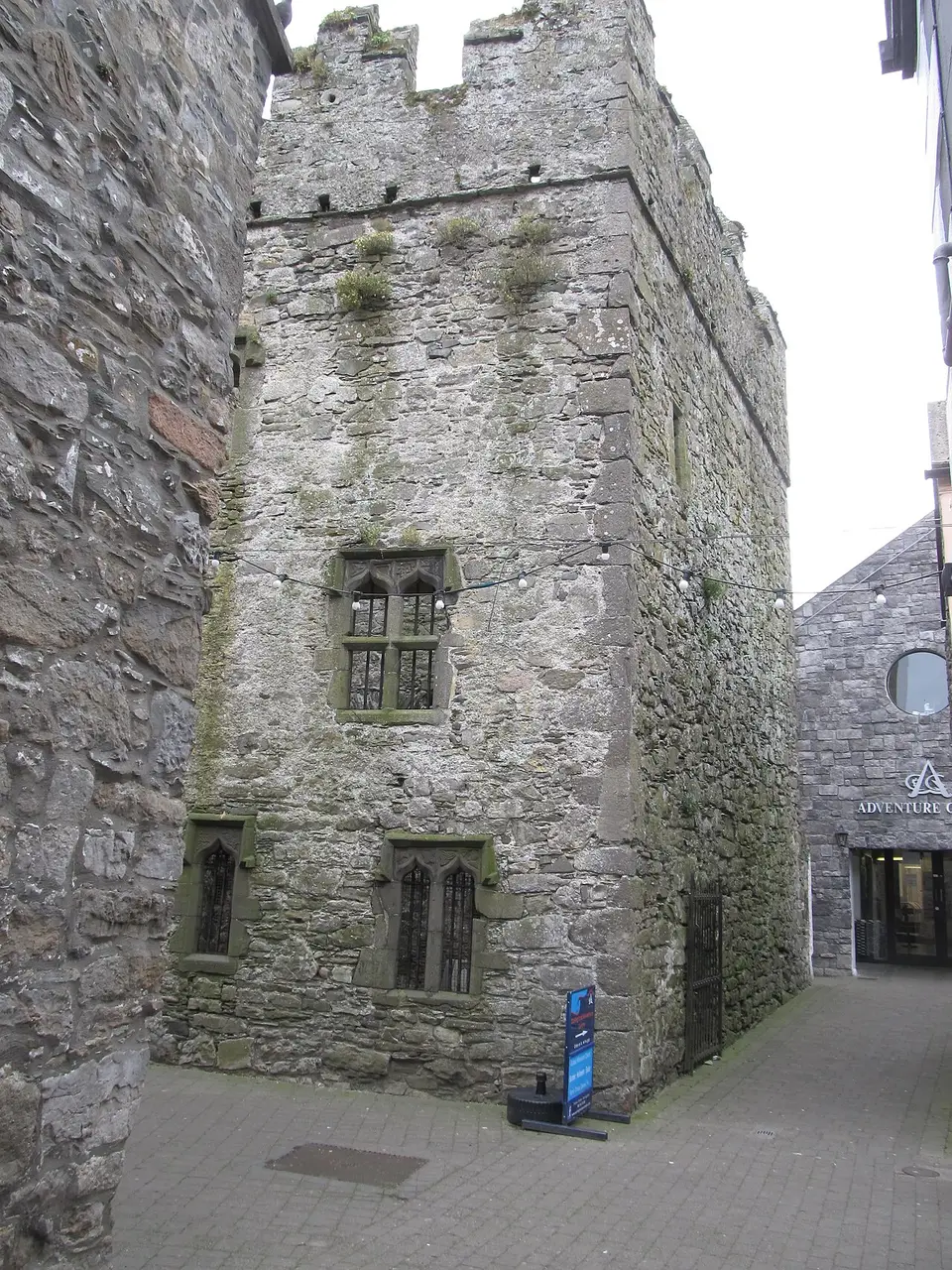
One of Carlingford’s finest fortified town houses, known for carved windows and layers of unanswered questions.
Explore this landmark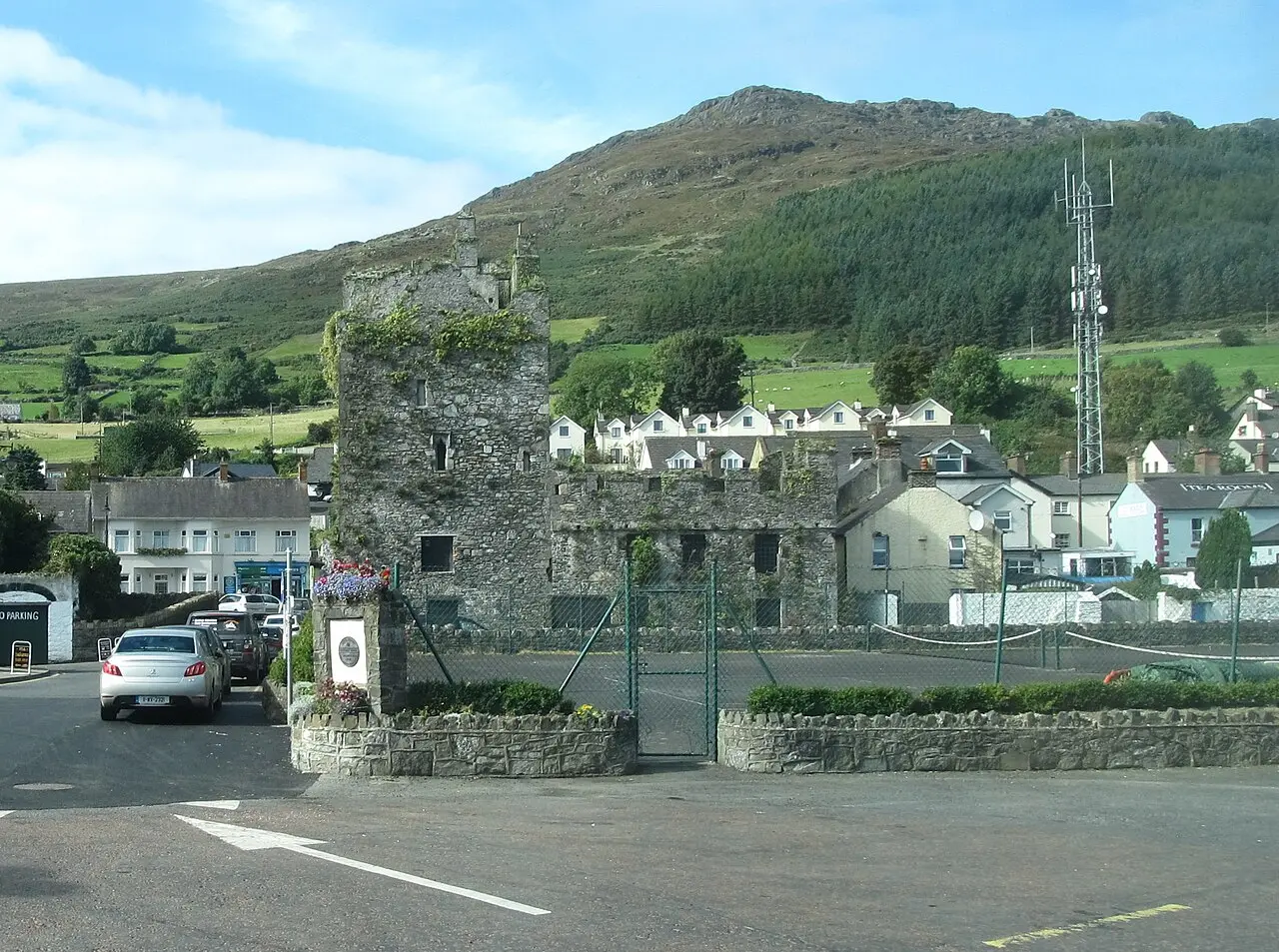
A fortified trading house that once stood close to Carlingford’s working harbour.
Explore this landmark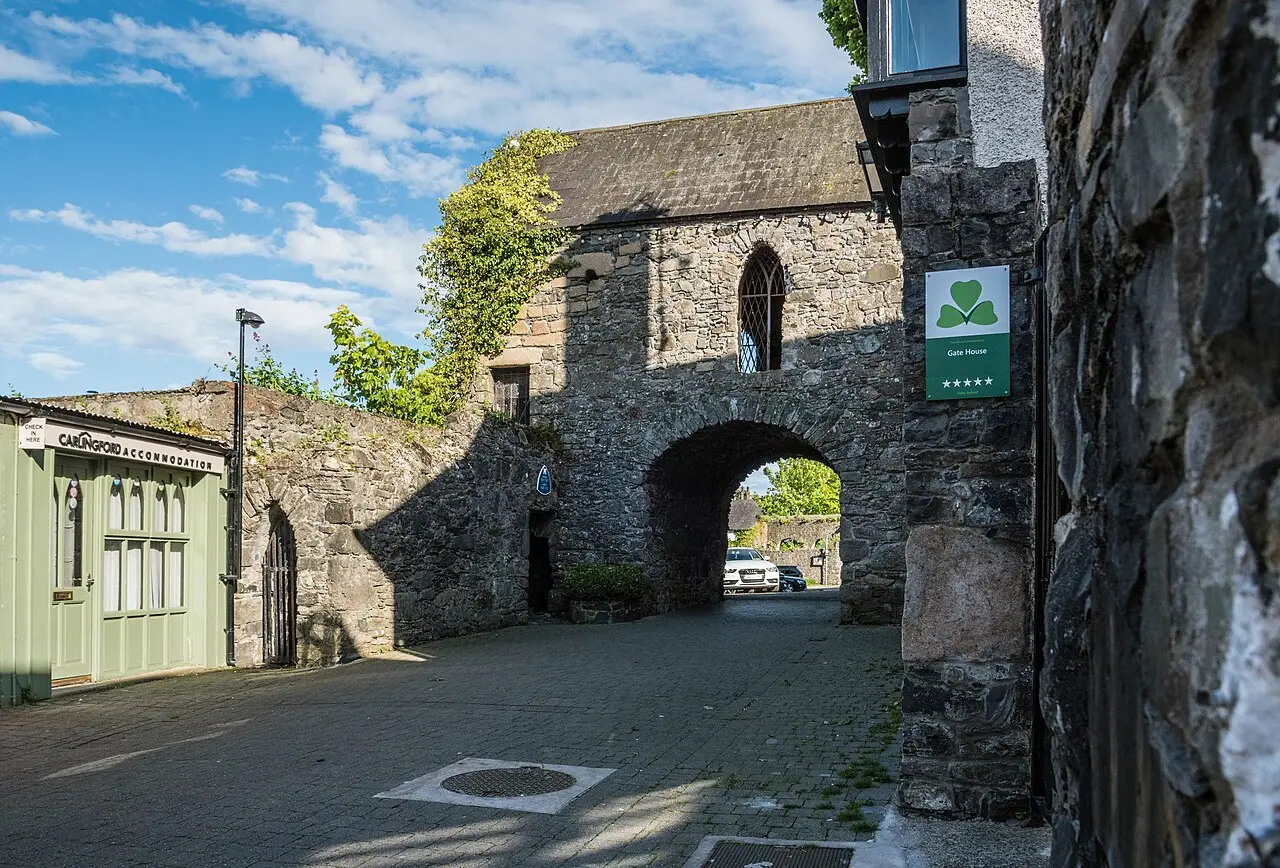
Carlingford’s sole surviving medieval town gate also served civic, toll and prison functions.
Explore this landmark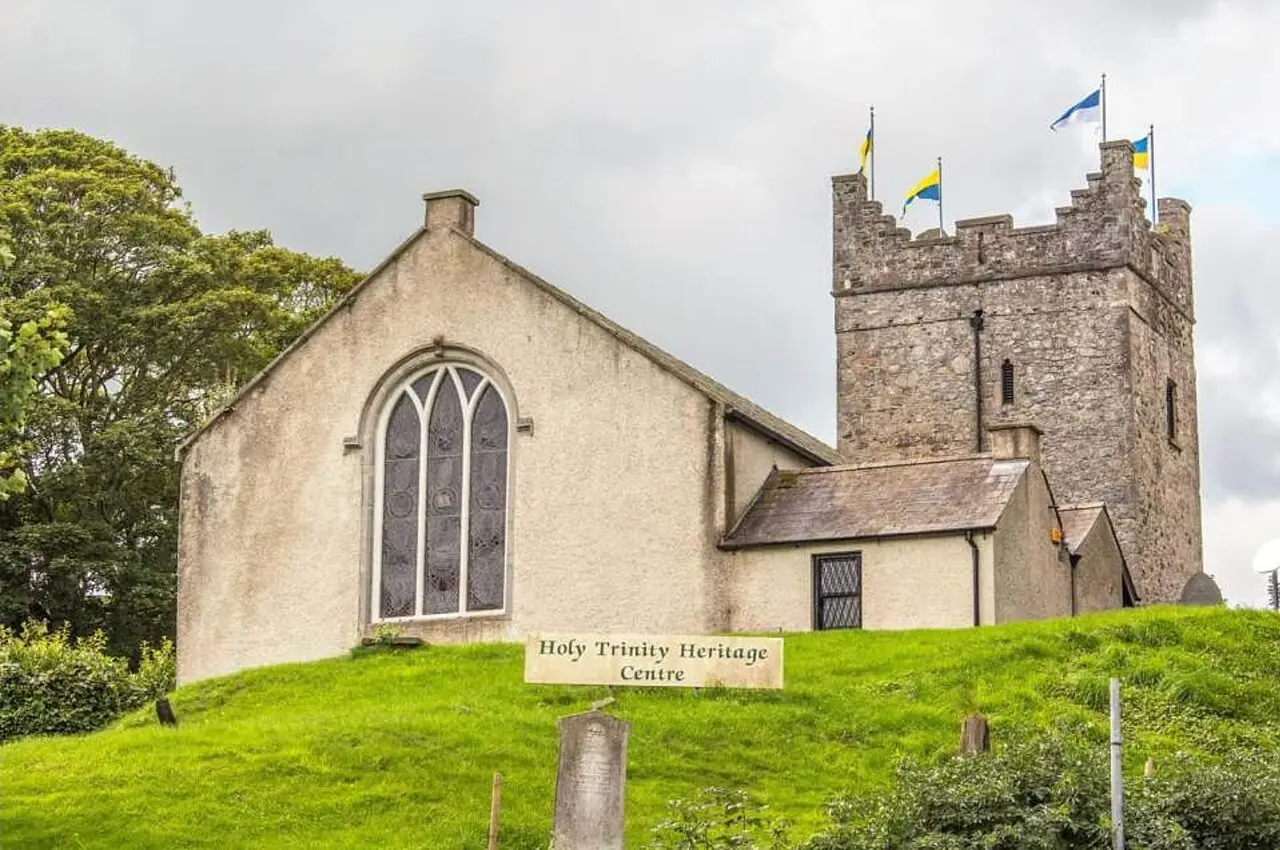
A former church, defensive tower and graveyard now form Carlingford’s Heritage Centre.
Explore this landmarkCarlingford’s name is Norse, but an excavated Viking settlement has not been found. “The Mint” may have been a merchant house; Taaffe’s Castle has no proven Taaffe ownership record; and parts of the Friary have disputed dates. Those uncertainties are part of good history, so we name them rather than turn them into fact.
Read the conservation plan